
Stone & Lime
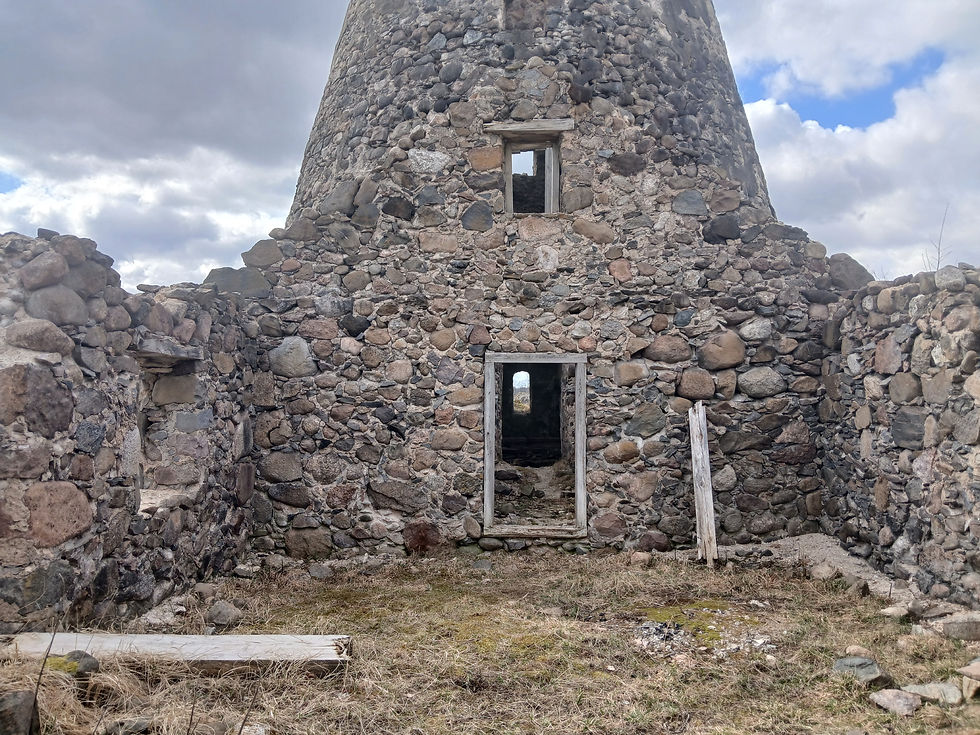

Methods and materials
Traditional materials. Practical knowledge. Repairs that respect the building.
Old stone buildings were constructed as complete systems. Stone, lime mortar, timber and plaster were intended to work together, and successful repairs should respect that relationship.
Our approach begins with understanding the existing structure — how it was built, which materials were originally used, what has been altered over time, what remains sound and what is actually causing the deterioration.
Only then do we decide what needs to be repaired, rebuilt or replaced.
Traditional materials and techniques are not used simply because they are traditional. We use them where they remain the most compatible and technically appropriate solution for the building, combining established craftsmanship with the practical understanding gained through more than twenty years of working with stone masonry.
Understanding the Existing Structure
Before repairing a building, understand how it works
Two stone walls may look similar and yet require very different approaches.
The type of stone, mortar, foundations, wall construction, previous repairs, exposure to moisture and later alterations can all influence how a building behaves and why deterioration occurs.
For this reason, we do not begin with a predetermined repair method. We first examine the existing masonry, distinguish sound material from damaged areas and look for the cause of the problem rather than simply treating what is visible on the surface.
Where possible, original stonework and other sound materials are retained. Intervention is focused on the areas where it is genuinely required.
This approach helps avoid unnecessary rebuilding and allows as much of the building's original material, character and construction logic as possible to remain intact.
Traditional Stone Masonry
Working with the existing masonry, not against it
Traditional stone masonry depends on understanding how individual stones work together as part of the wall.
When repairing or rebuilding old masonry, we preserve original stones wherever they remain suitable for reuse. Stones removed during careful dismantling are sorted and reused whenever possible, helping retain both the material and the visual character of the original structure.
Where additional stone is required, it is selected to be compatible with the existing masonry in type, size, shape and appearance.
The placement of each stone matters. Larger stones, bonding stones and smaller packing stones all have their role within the wall. The aim is not simply to create an attractive surface, but to rebuild masonry that works structurally as a whole.
Newly rebuilt sections must also connect properly with the retained masonry rather than existing as separate patches within the wall.
Repairing Only What Is Necessary
Not every irregularity in an old stone wall is a defect.
Movement, uneven surfaces, variations in stone size and traces of earlier workmanship are often part of the building's character and history. Our aim is not to make old masonry look new or artificially perfect.
Loose, unstable or structurally compromised areas are repaired or rebuilt where necessary, while sound original masonry is left in place whenever possible.
This balance between structural necessity and material preservation is fundamental to our approach.


Lime Mortar
A compatible material for traditional stone masonry
Lime mortar has been used in traditional stone construction for centuries, but its value is not simply historical. Its properties make it particularly well suited to many old masonry structures.
Compared with many modern cement-rich mortars, traditional lime mortar is generally softer and more vapour-permeable. This allows the joints to accommodate small movements within the masonry and helps moisture move through the mortar rather than being trapped within the wall or forced through the stone.
In old stone masonry, the mortar should work together with the stone — not become the hardest and most rigid part of the wall.
The appropriate mortar is selected according to the existing masonry, the type of stone, exposure and the requirements of the particular repair. There is no single lime mortar mix suitable for every building.
Preparing and Working with Lime Mortar
The quality of a repair depends not only on the material itself, but also on how it is prepared and used.
Depending on the project, we work with traditional lime mortars prepared to suit the existing masonry and the conditions in which they will be used. Aggregate selection, proportions, consistency, joint preparation, application and curing all influence the final result.
Where appropriate, we also use hot-mixed lime mortar, a traditional method in which quicklime is combined with damp aggregate and water as part of the mortar preparation process.
Good lime work takes time. Fresh mortar must be protected from excessively rapid drying, frost and unsuitable weather conditions while it develops strength.
Repointing Stone Masonry
More than simply filling the joints
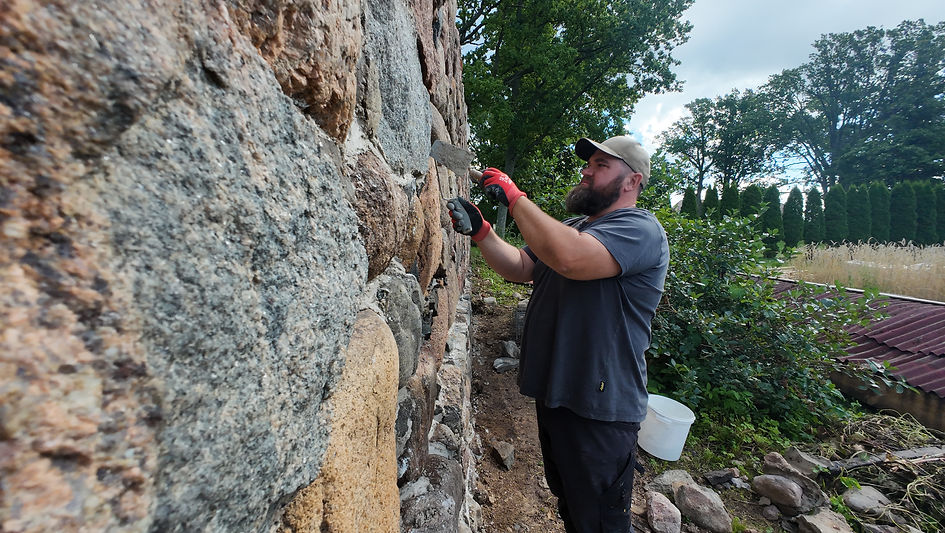
Repointing begins with removing deteriorated or incompatible mortar to a sufficient depth without unnecessarily damaging the surrounding stone.
The joints are then thoroughly cleaned and prepared before new compatible mortar is introduced. Deep or irregular voids may require several stages of filling to ensure that the mortar is properly worked into the masonry rather than simply covering the surface.
The final appearance of the joint is also important. Its profile and finish should complement the character of the masonry rather than create an artificial, uniform surface over an irregular stone wall.
Done properly, repointing does more than improve appearance. It helps reconnect loose masonry, protects the edges of the stones and restores the mortar joints as a functional part of the wall.
Lime Plaster
A breathable finish for traditional buildings
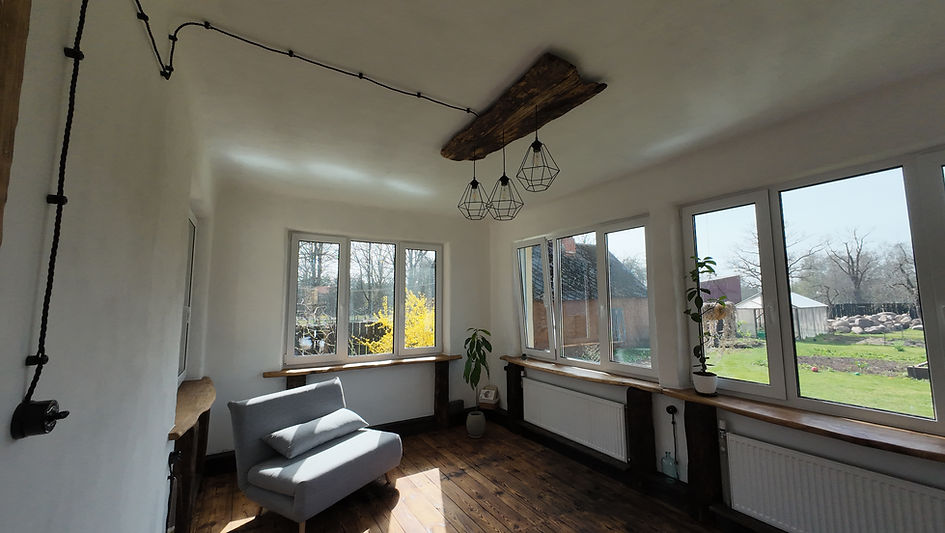
Lime plaster forms part of the same compatible material system as traditional stone masonry and lime mortar. Used correctly, it provides a durable and vapour-permeable finish that allows moisture within the wall to move and evaporate rather than becoming trapped behind an impermeable surface.
Its value is not limited to stone walls. Lime plaster can also be applied over traditional timber laths, reed matting and other suitable natural backgrounds commonly found in older buildings.
When existing lime plaster remains sound, we prefer to preserve and repair it wherever practical. Where deterioration is too extensive, damaged material can be removed and new lime plaster applied using a system appropriate to the existing substrate.
As with lime mortar, successful lime plastering depends on more than the material itself. Preparation of the background, composition of the plaster, application in appropriate layers, drying conditions and curing all contribute to the durability and appearance of the finished surface.
The objective is not to create perfectly uniform modern walls, but a finish that works technically with the building while retaining the natural character and subtle irregularities of traditional craftsmanship.

Removing Incompatible Materials
Sometimes repair begins with removing an earlier repair
Many old stone buildings have been altered over time using materials that behave very differently from the original construction.
Hard cement-rich mortars, dense cement renders and other impermeable finishes can sometimes restrict moisture movement and create rigid areas within otherwise relatively flexible, vapour-permeable masonry.
This does not mean that cement is unsuitable in every situation. The important question is whether a material is compatible with the particular structure in which it has been used.
Where later materials are contributing to deterioration, they may need to be carefully removed. This can involve cutting out hard cement mortar from stone joints, removing cement render from masonry or dismantling inappropriate previous repairs.
Removal itself must be approached carefully. Hard cement can adhere strongly to softer stone, and aggressive work may damage the very masonry we are trying to preserve.
Once incompatible material has been removed, the underlying masonry can be assessed properly, cleaned and repaired using materials more appropriate to the original construction.
Repair Rather Than Replace
Preserve what still works
Old buildings do not need every surface, joint or stone to be renewed simply because it is old.
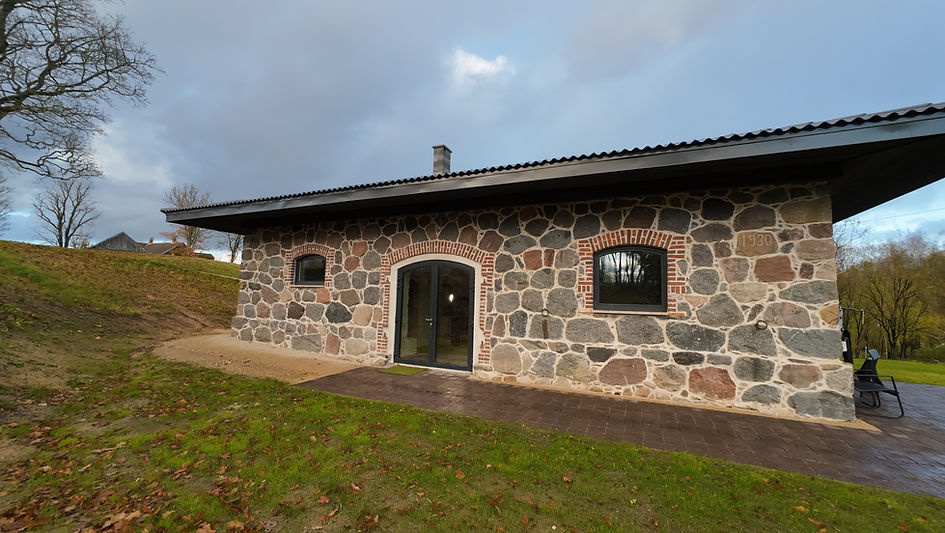
Whenever possible, we retain sound original masonry, stone, timber and plaster. Areas that have failed are repaired, while material that continues to perform its function is allowed to remain.
This approach preserves more of the building's original fabric and reduces unnecessary intervention. It also retains the small variations, tool marks, irregularities and traces of previous craftsmanship that give an old building its individual character.
Replacement becomes necessary when material can no longer perform its structural or protective function. Even then, the objective is to intervene carefully and integrate the repair with what remains.
Conservation is often as much about knowing what to leave untouched as knowing what to repair.

Traditional Methods, Practical Decisions
The right solution begins with understanding the building
Traditional craftsmanship does not mean following old methods without question. It means understanding why those methods worked, how the original materials function together and where they remain the most appropriate solution today.
Every old stone building is different. The right approach may involve careful conservation, localised repair, rebuilding damaged masonry or, in some cases, combining traditional materials with carefully considered modern solutions.
Our role is to understand what the building needs and intervene accordingly — preserving sound original material, using compatible methods and avoiding unnecessary work wherever possible.
The goal is simple: to leave the building structurally sound, technically coherent and true to its character, so that the work carried out today continues to make sense many years from now.
